
 Start Read
 Recommend

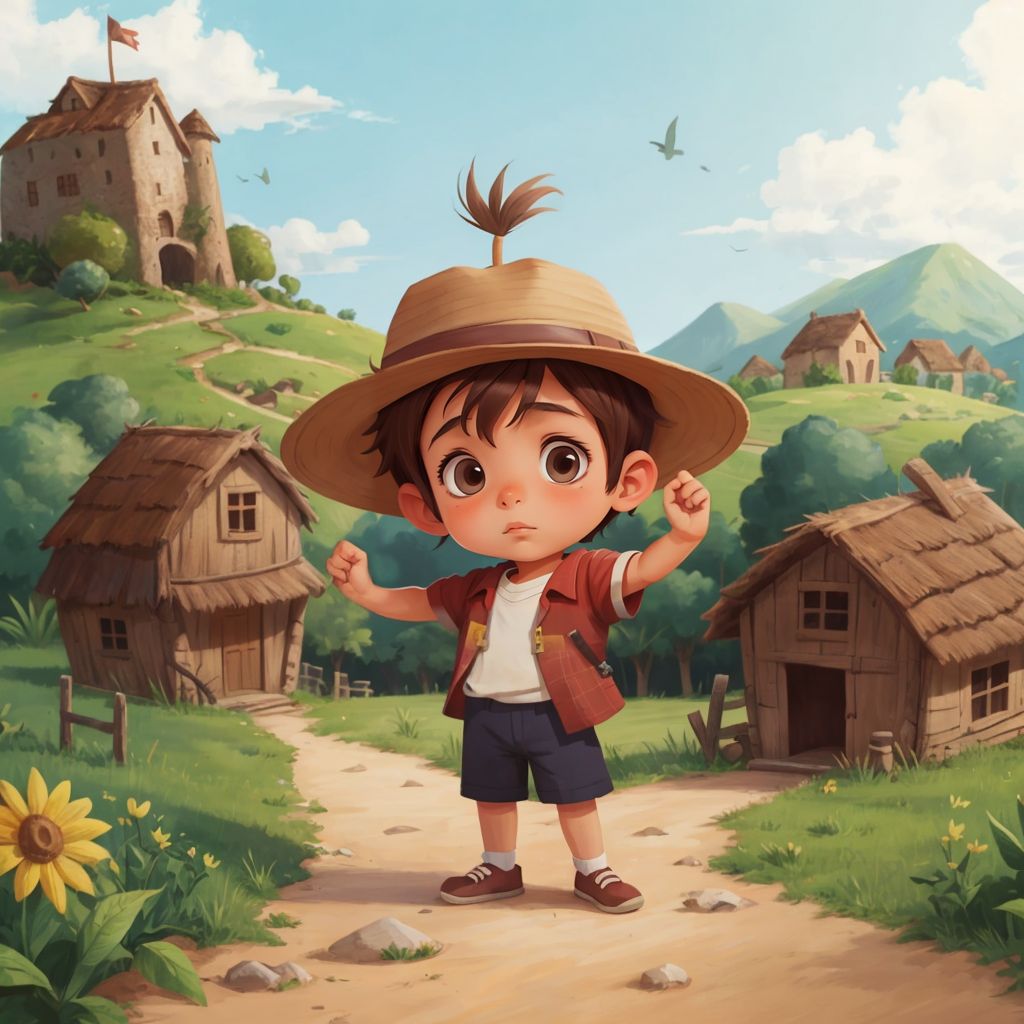
Miles is a mischievous boy who often mocks others. During International Week at school, he makes fun of his teacher Ms. Patel's cultural dress. That night, Miles is magically transported through his closet to Riyadh, Saudi Arabia. There, he meets a girl named Fatima who introduces him to the local culture, including food, clothing, and customs. Through this experience, Miles learns to appreciate different cultures and understand the significance of traditional clothing. He tries shawarma, learns about the hijab and keffiyeh, and sees the beauty in cultural diversity. When he returns home, Miles has a new respect for his teacher and classmates' cultural expressions. The story ends with Miles embracing his own culture (wearing an Irish outfit) and playing with his new multicultural friends. The main themes of the story are cultural appreciation, overcoming prejudice, and the importance of understanding and respecting diversity.

Kristopher Cooks Gumbo
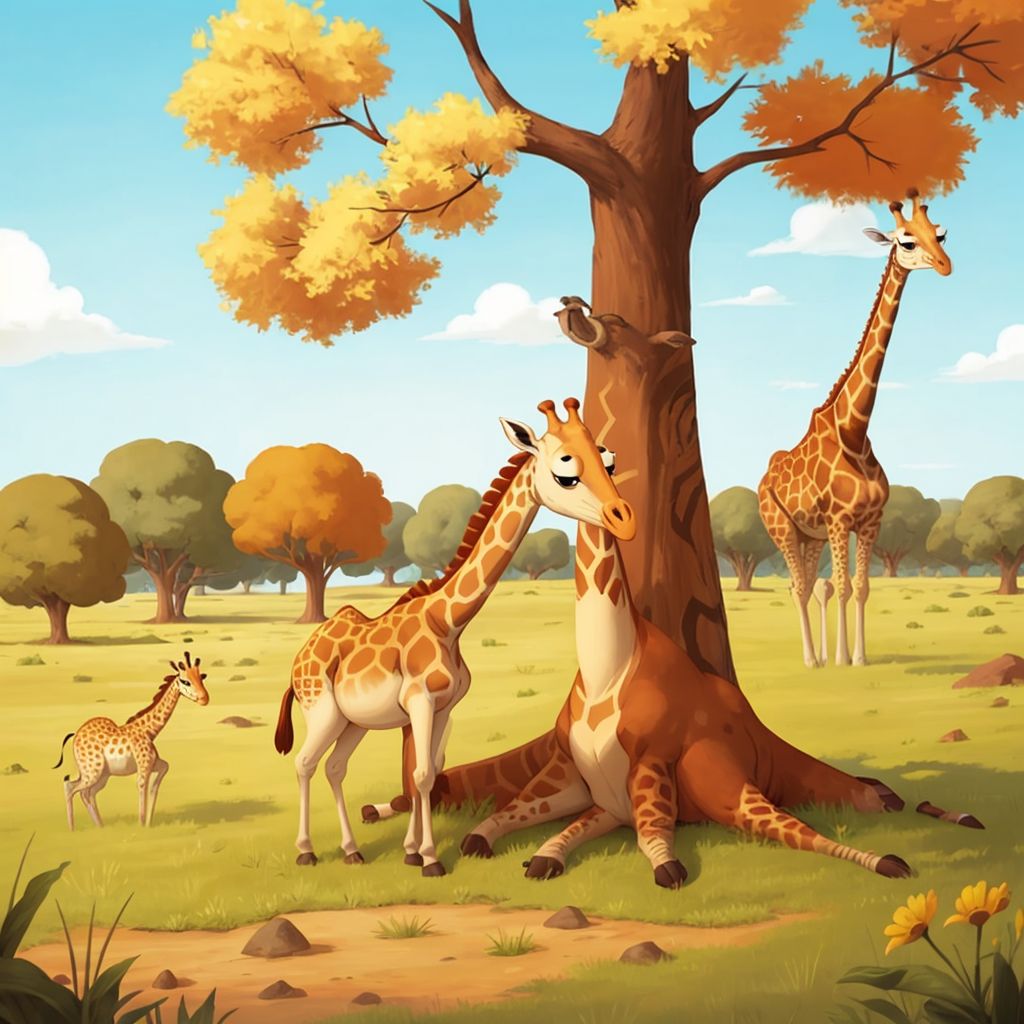
henry the only giraffe in his whole group to have a short neck is sad because hes not like the other giraffes that use their necks to help so henry leaves and spends time with other animals that have all different shapes and realizes that being different isnt bad you just have to polay to your strengths
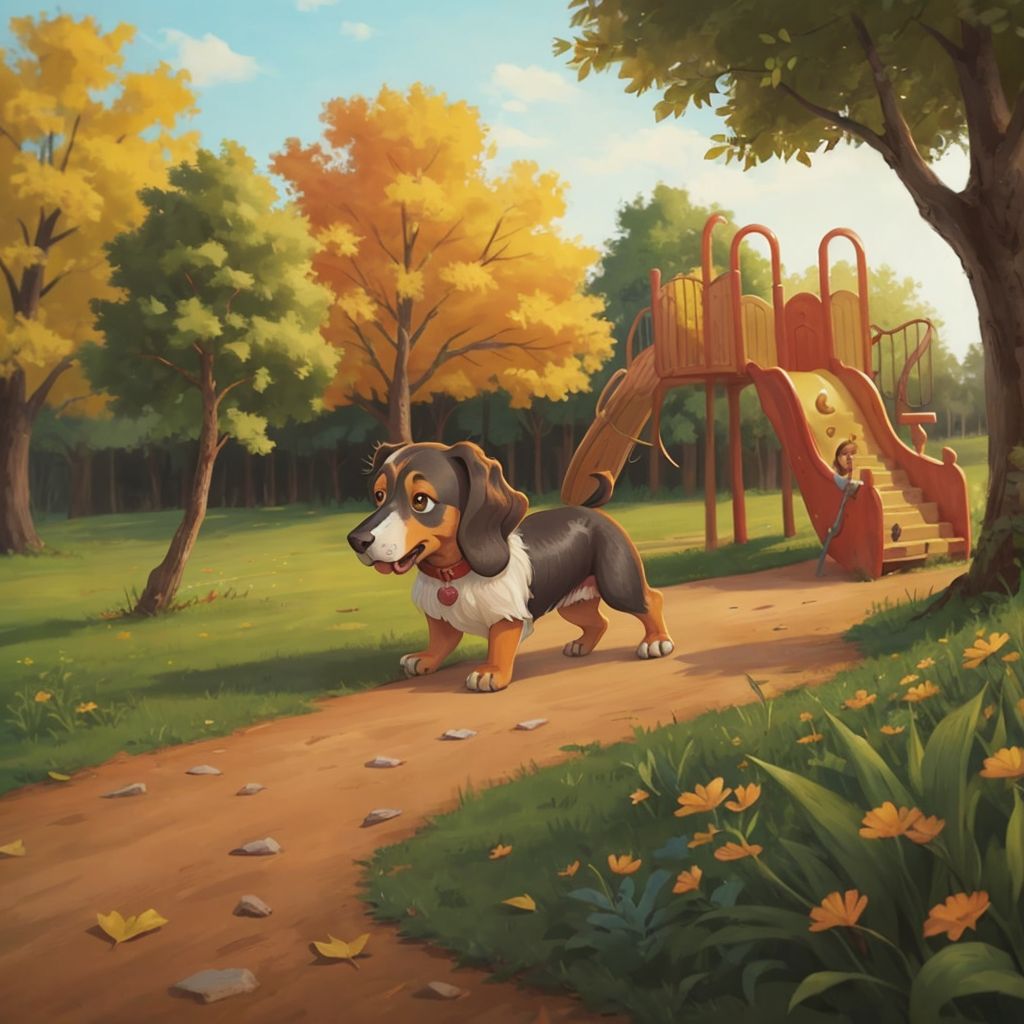
About a fun-loving dog named Bob. Bob loved life and was looking for friends.
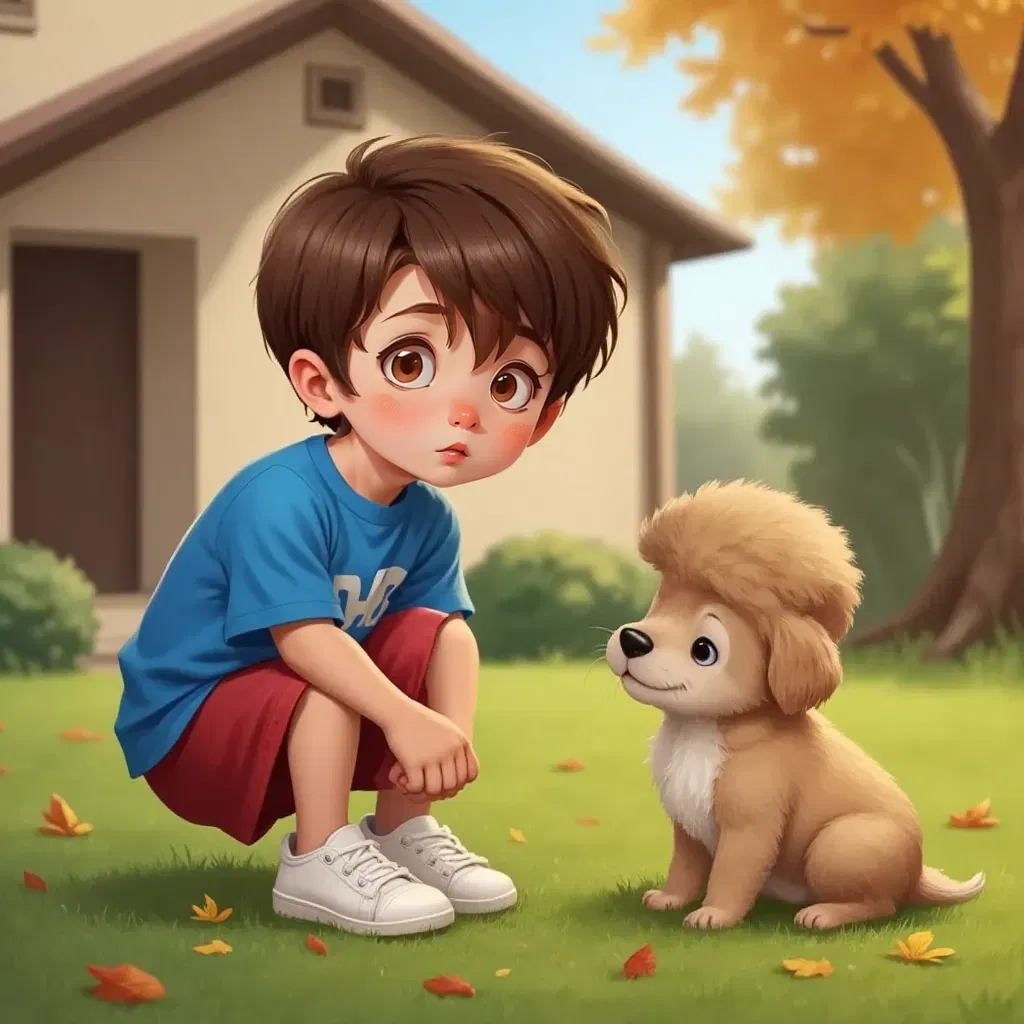
Leo è un bambino di tre anni, abitante di un piccolo villaggio, che durante una passeggiata vicino a casa sua incontra una cagnolina sperduta. Nasce un forte legame tra i due, Leo chiamerà questa cagnolina Pippa, vivranno bellissime avventure insieme e con il tempo diventeranno migliori amici. Un giorno, giocando a nascondino, Leo si nascose dietro un albero ma iniziò a piovere fortissimo, Pippa lo cerchò freneticamente preoccupata e quando riuscì finalmente a trovarlo, i due si accucciarono insieme sotto un albero al riparo dalla pioggia fino all'arrivo dell'arcobaleno, giurando che niente li avrebbe mai divisi e che amche quando le cose sembrano impossibili, insieme possono riuscire in qualunque cosa.
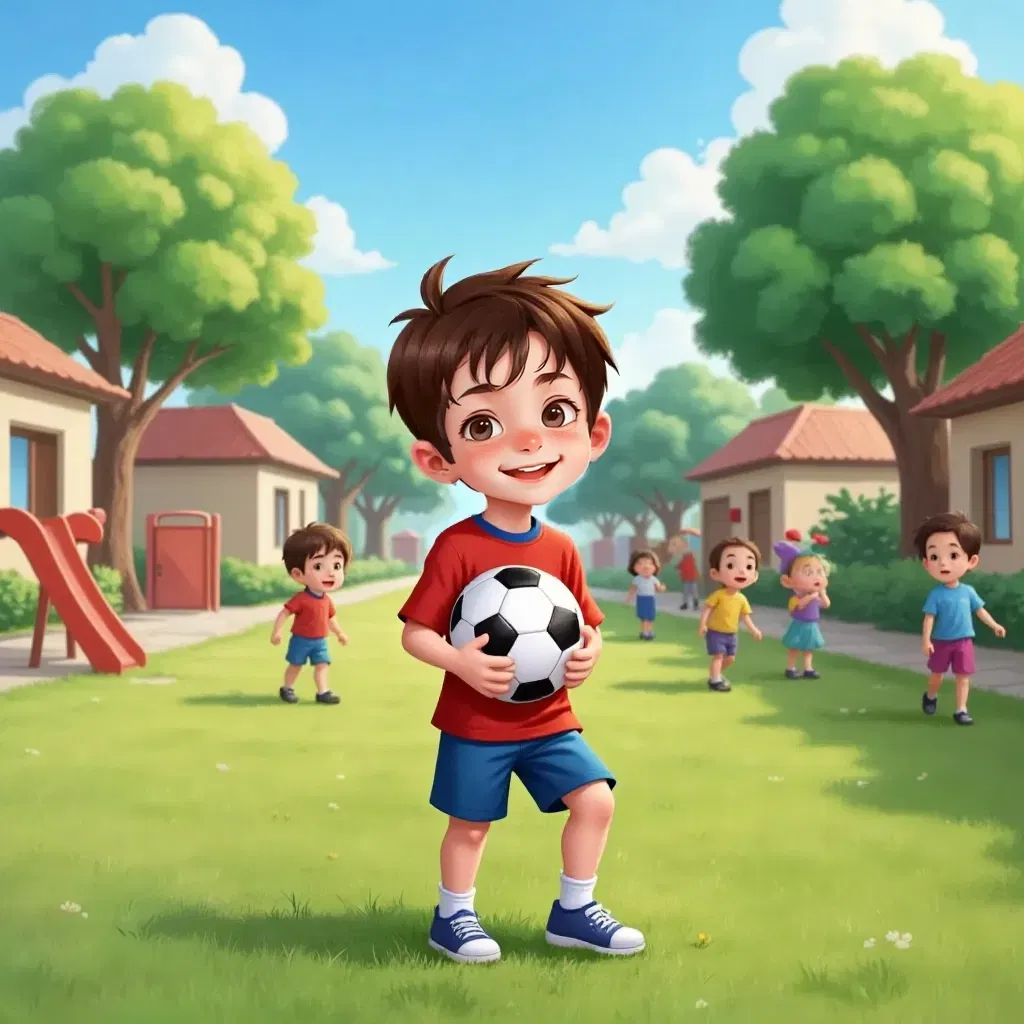
Generate a 10-12 page children's book based on the Parable of the Unforgiving Servant (Matthew 18:21-35), teaching forgiveness and second chances in a relatable, human-like setting with simple, engaging language for young readers. The protagonist is a child who makes a mistake but learns about forgiveness. His best friend is kind and forgiving, while another friend later makes a mistake against him, mirroring his own. The setting is a school and playground, with events happening before, during, and after school, including a stormy night that adds conflict. The cover page should feature the protagonist smiling with a soccer ball in a cheerful schoolyard. The story begins with him playing soccer daily, but one day he forgets his ball. His best friend lends him one, asking him to return it the next day. The protagonist enjoys playing but carelessly leaves it outside overnight. A storm ruins it, leaving it muddy and stuck in a tree. The next day, he apologizes, and his friend forgives him. Later, another classmate borrows something from him but accidentally damages it. Instead of forgiving, the protagonist gets angry and refuses to accept the apology. His best friend reminds him of his own mistake, making him realize he should also forgive. He apologizes for his reaction, forgives his classmate, and they all play together, reinforcing the lesson that forgiveness strengthens friendships. Illustrations should be bright and colorful, with expressive characters showing emotions like happiness, guilt, and relief. The book should conclude with the moral: If we want others to forgive us, we must forgive them too. This ensures a structured, meaningful story that is engaging and easy for children to understand.

The talking volleyball
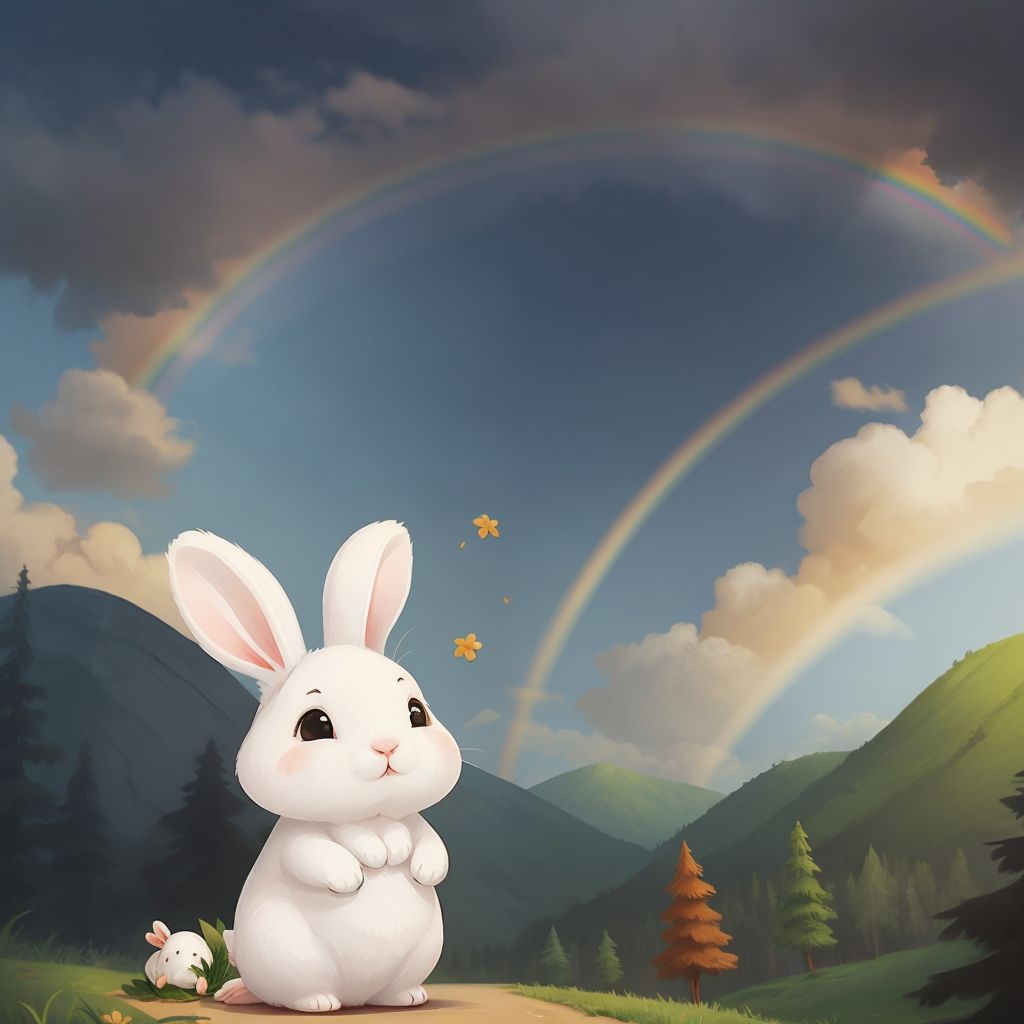
Once upon a time, in a cozy little forest, there lived a brave little bunny named Luna. Luna loved hopping through the meadows, nibbling on sweet clover, and playing with her friends. But there was one thing Luna loved most of all – her shiny, sparkly star pendant. She wore it everywhere, and it made her feel safe and happy, just like your pacifier. One day, Luna's forest friends were planning a big adventure to climb Rainbow Hill. It was the tallest hill in the forest, and from the top, you could see the entire world below. Luna was very excited, but she noticed that whenever she tried to hop high or climb, her pendant would bounce and sometimes get tangled, slowing her down.
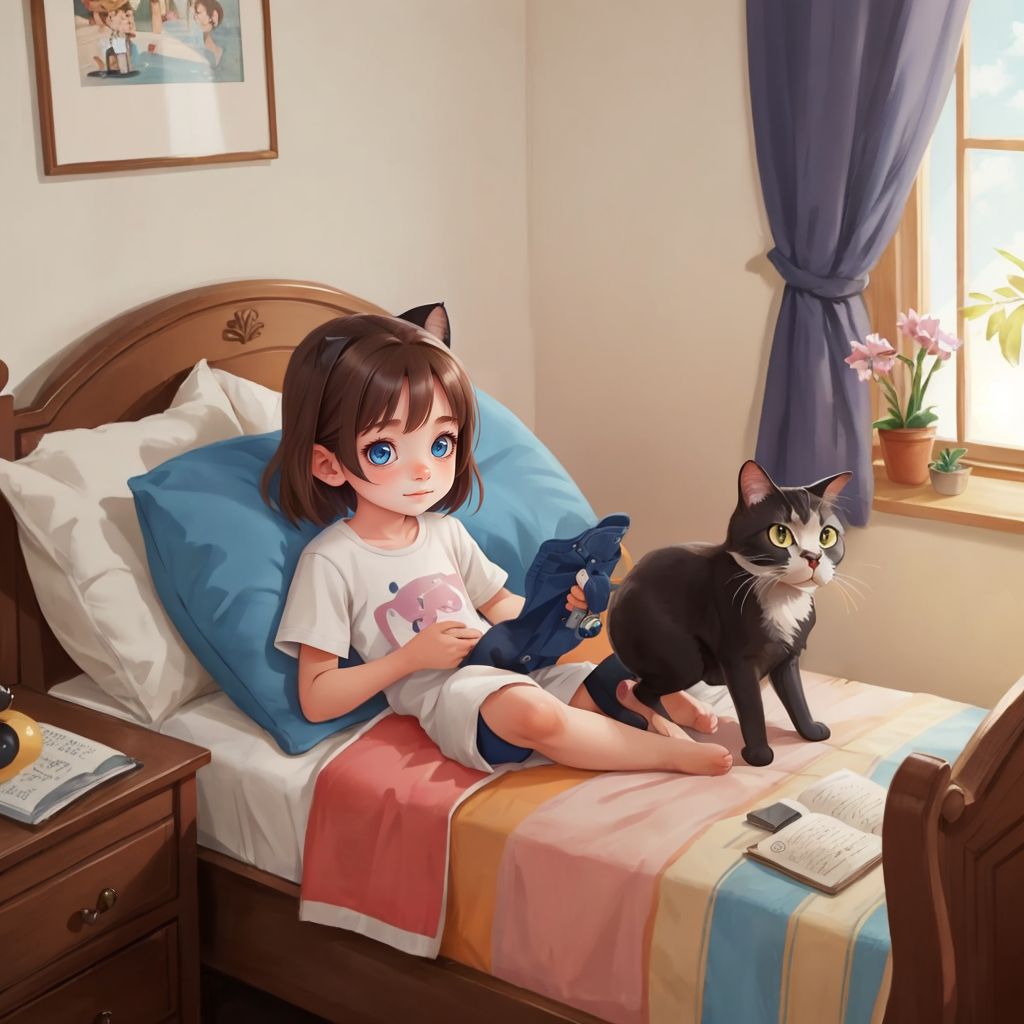
Introduction: Mia, a creative 7-year-old, loves crafting stories, drawing, and playing with her cat, Max. She finds her mom's phone and opens a sparkly "Magic Mirror" app. The mirror promises to show magical versions of herself. Exploring the Magic Mirror: The app shows Mia as a glamorous princess, a sporty champion, and a popular influencer. Each reflection is exciting but feels less like the real her. Mia becomes intrigued but increasingly uncertain about her identity. The Problem: Mia becomes obsessed with perfecting her reflection and neglects her favorite activities and Max. Her once-joyful room grows messy and dark, reflecting her growing frustration. Concerned, Mia’s mom notices her mood and asks what’s wrong. The Lesson: Mia’s mom explains how social media often shows exaggerated or unrealistic versions of people. She shares a childhood photo and reminds Mia that being herself is what truly matters. Mia realizes she doesn’t need the mirror to feel special or happy. Resolution: Mia deletes the app and immerses herself in art, creating a collage of her favorite traits and memories. She embraces her unique qualities and enjoys spending time with Max again. The story ends with Mia smiling at her true reflection, celebrating her authentic self.
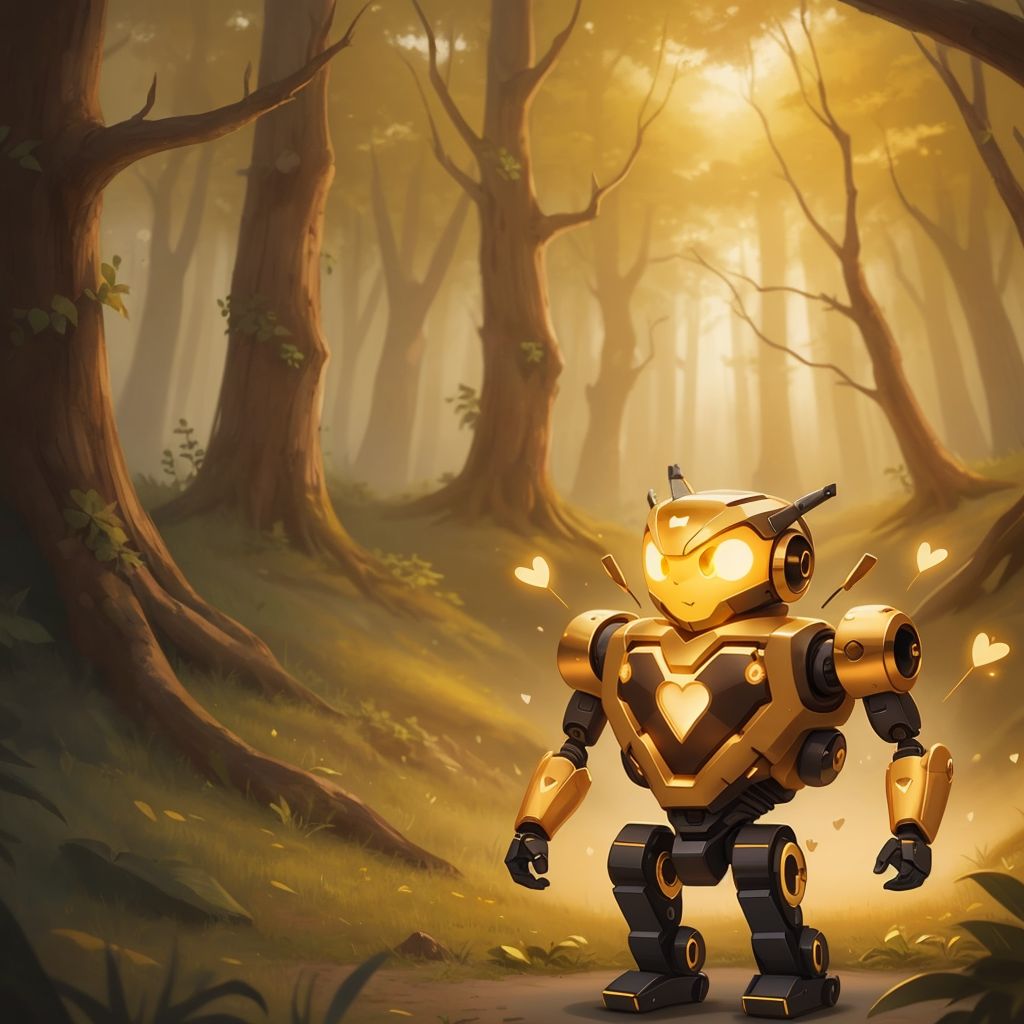
1. Robot Lumen stumbles upon an ancient, magical forest during one of his tasks. 2. The Whispering Trees 3. The trees teach Lumen how to understand their whispers, revealing secrets of the natural world. Friendship with Forest Creatures: Lumen makes friends with various animals and plants, learning about their lives and ecosystems. 4. Lumen faces challenges in the forest, such as storms or threats, and learns to adapt and protect his new friends. 5. Appreciation and Transformation: Lumen develops a deep appreciation for nature, transforming from a mere machine into a guardian of the forest. Lumen decides to share his newfound knowledge and love for nature with other robots and humans.
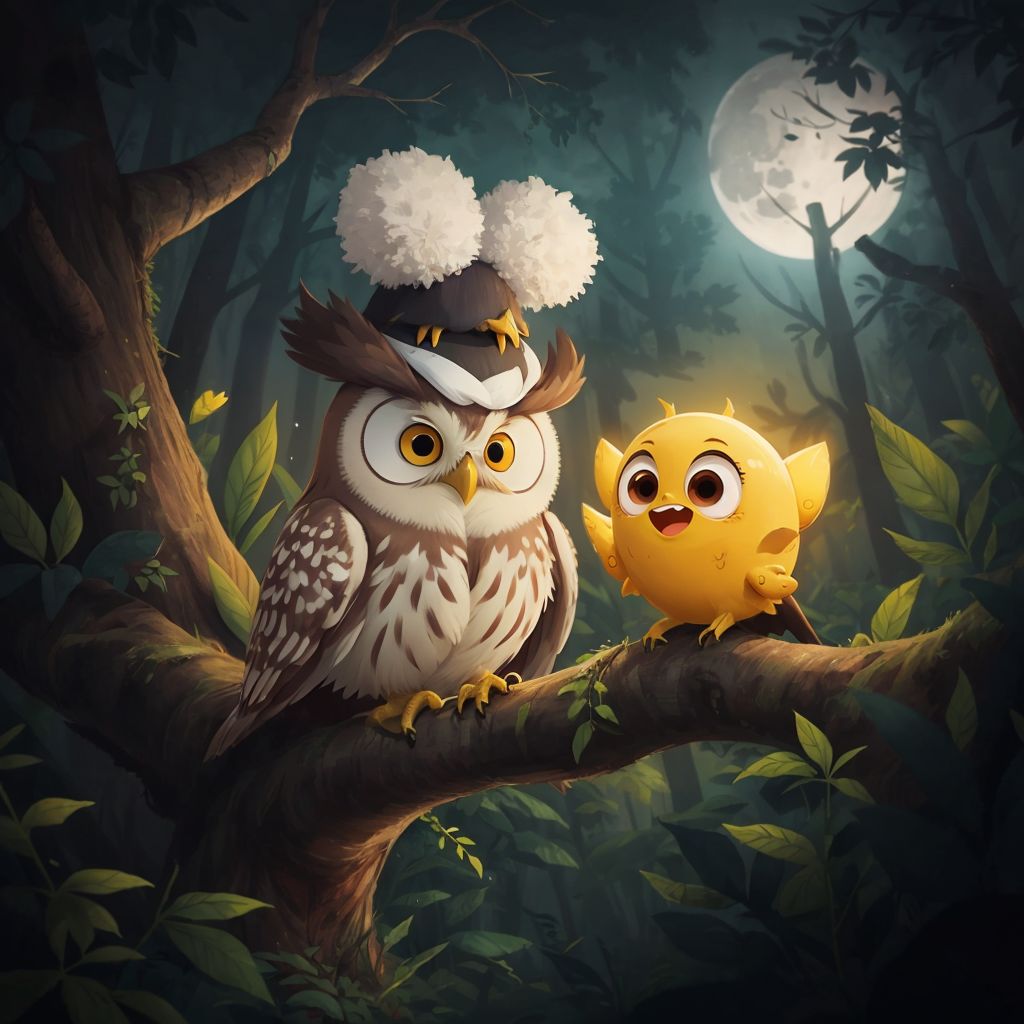
Lumi's little owl accidentally meets a star that has fallen from the sky in the forest and helps her return to the sky
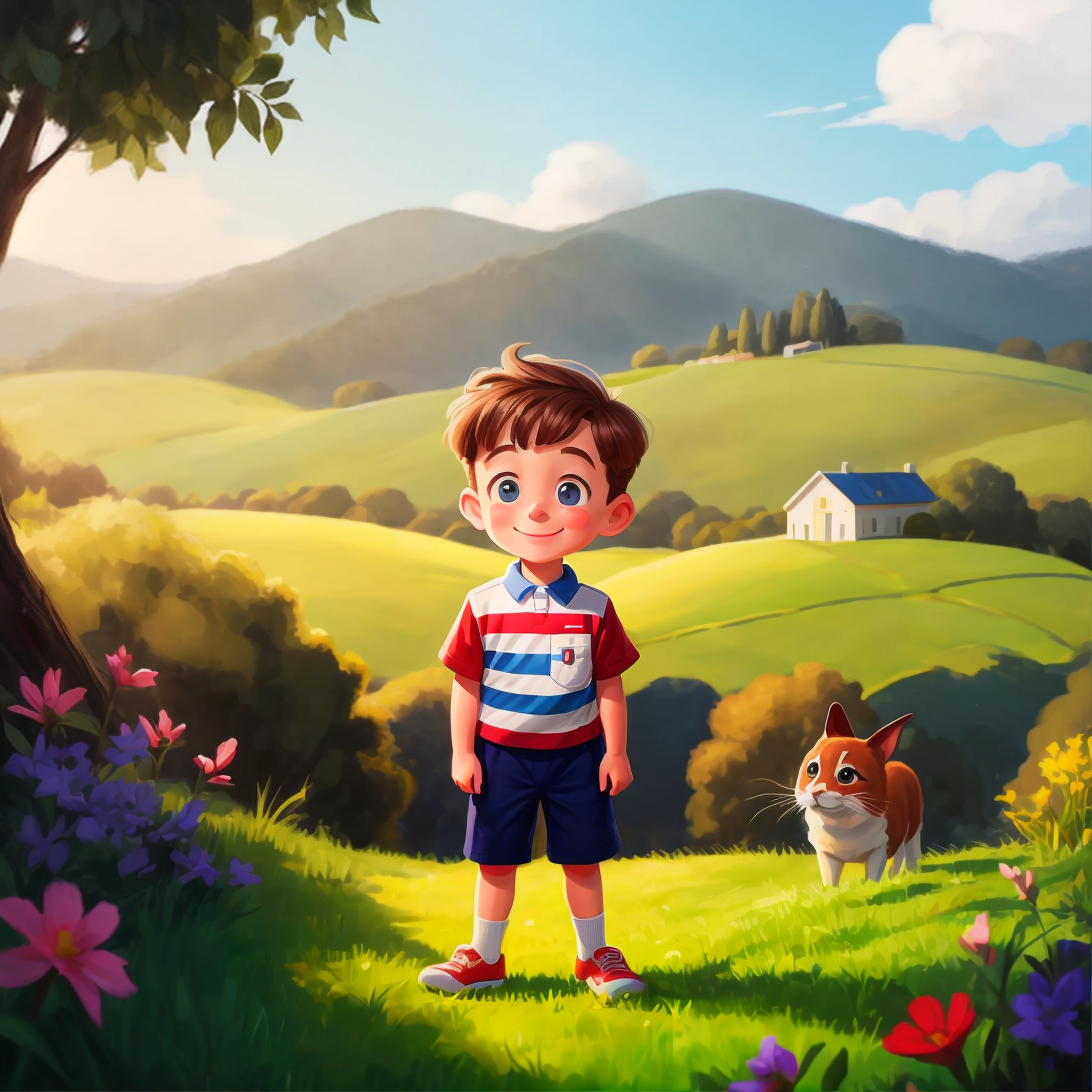
iyiuiyi
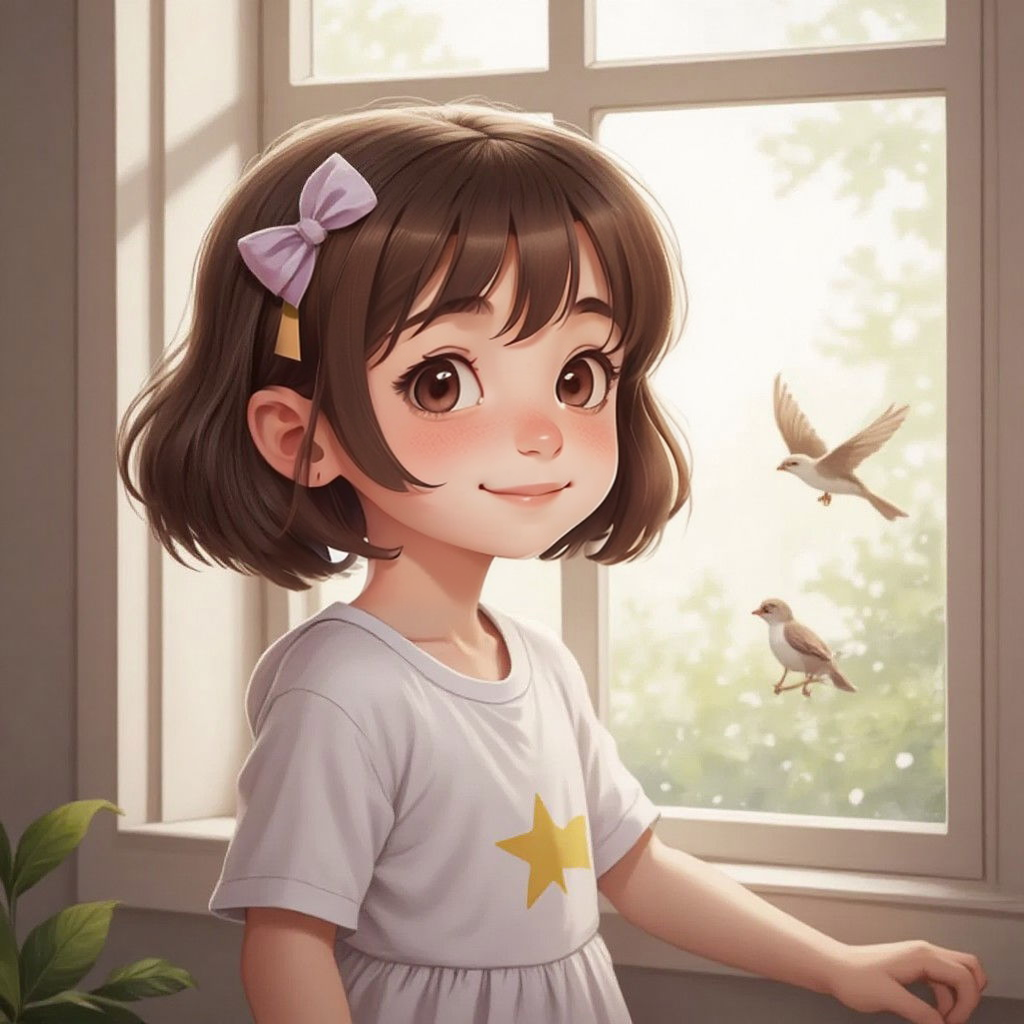
Join Avery and her Nana on a heartwarming journey as they create a vibrant garden together! Through playful digging, planting, and watering, Avery learns all about the basic needs of plants—water, sunlight, air, and soil—while asking curious questions along the way. Nana’s gentle guidance helps Avery discover how taking care of living things can be fun and rewarding. With colorful illustrations and a focus on teamwork, this delightful story encourages young readers to explore nature, listen actively, and grow their curiosity—just like a garden! Perfect for ages 6-8, this book inspires little gardeners to embrace the magic of planting seeds and watching them bloom.
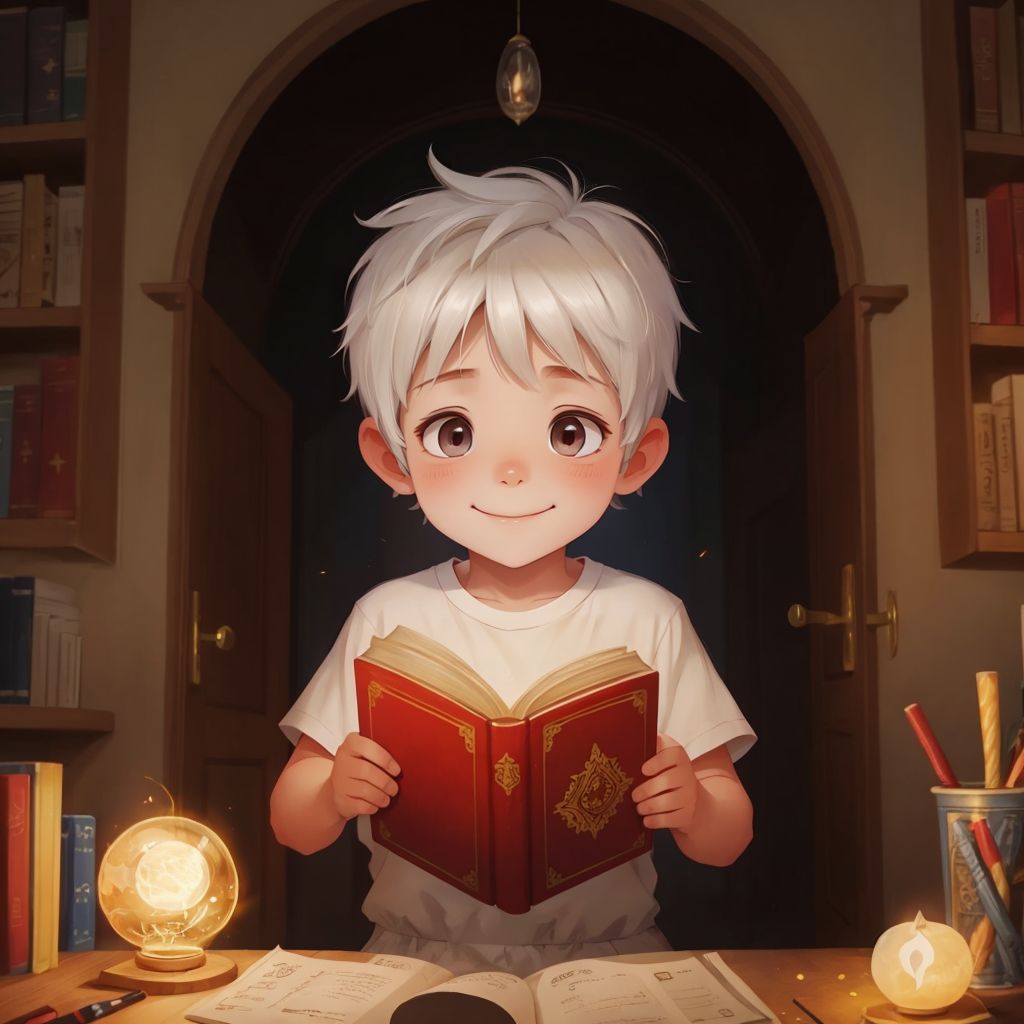
a boy named Vovka gets from modernity (at that time, the 2024s) to the fabulous Faraway Kingdom through a wonderful book. In this magical place, he meets many fairy-tale characters: the king, queens, princesses, wizards, evil wolves and many others. Immediately after arriving in the Faraway Kingdom, Vovka gets into adventures. He has to save a princess in trouble. During his adventures, he encounters various twists and turns, solves puzzles and overcomes obstacles using his mind, resourcefulness and ingenuity. The story is humorous, teaches important life values such as friendship, courage and intelligence. In the end, Vovka manages not only to save the princess, but also to return home to his own time, where his relatives are already waiting for him.
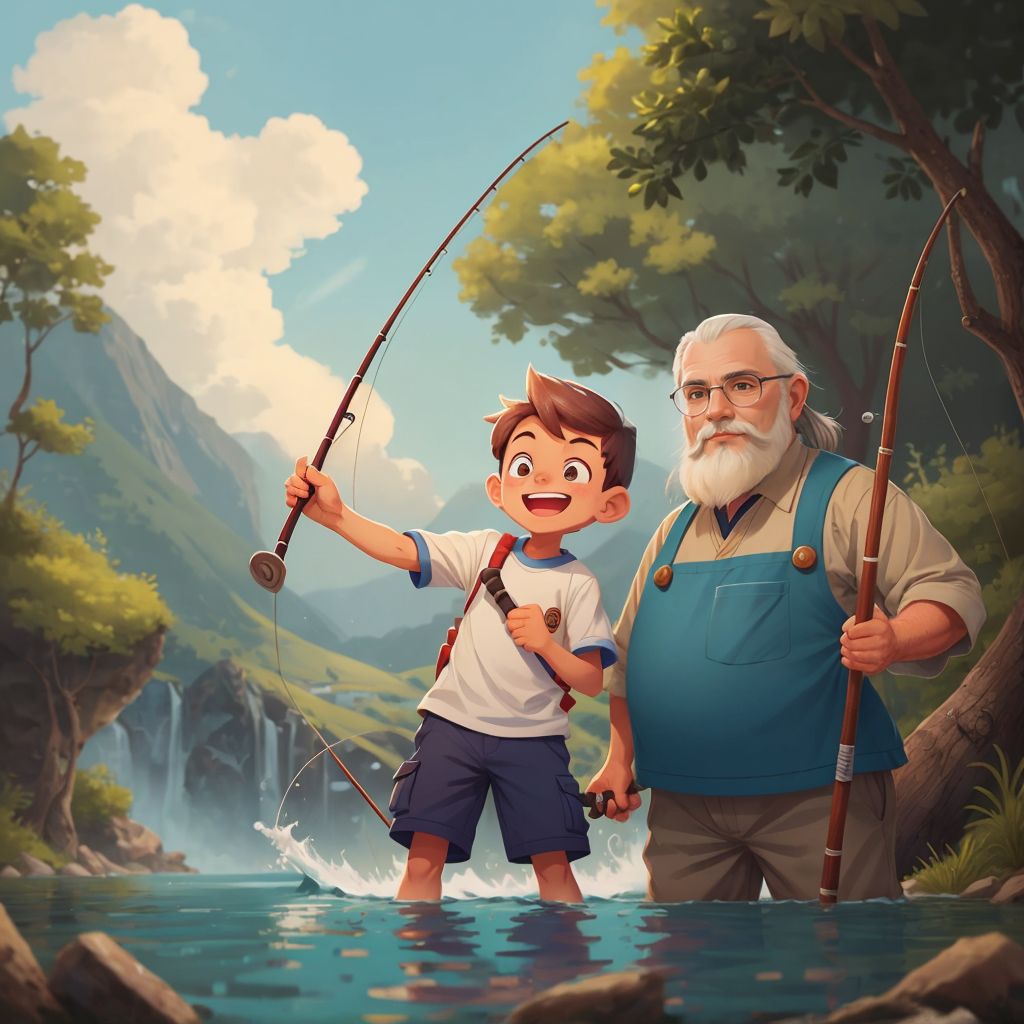
Adam was a 10yo boy with golden long hair, he became a fisherman as his grandpa and was proud of it.
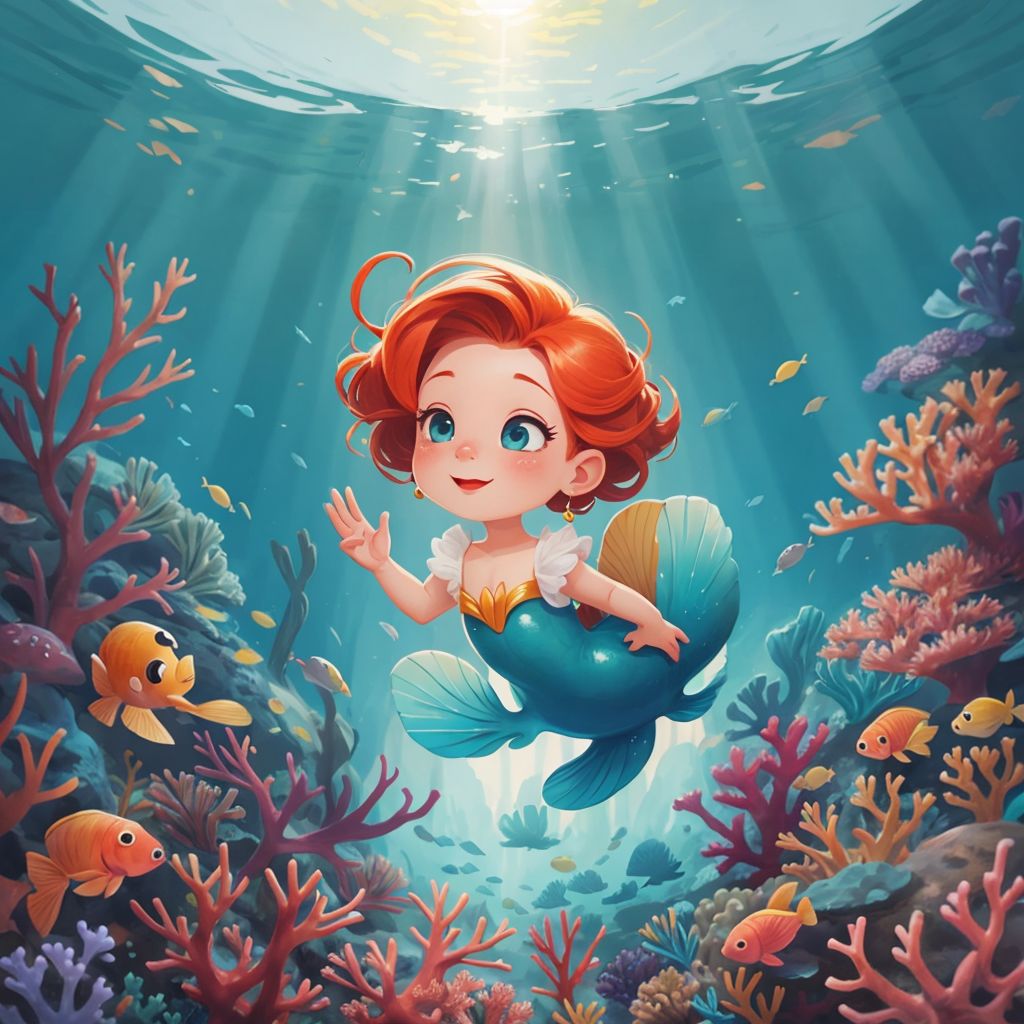
Lily the mermaid lives a joyful life in the ocean, playing with her friends and discovering hidden treasures. This heartwarming tale celebrates friendship and the simple joys of life under the sea!
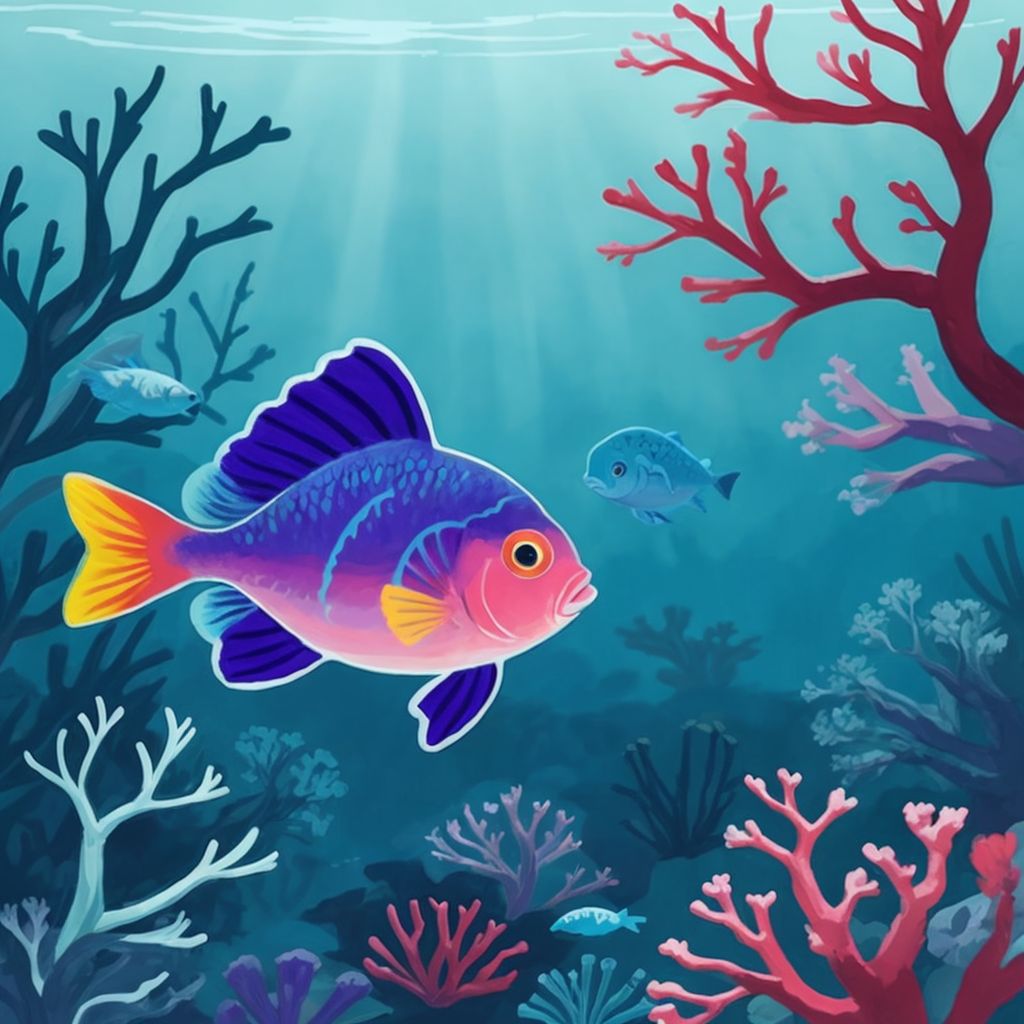
A young fish who feels different because he has rainbow colors searches for a school that embraces his unique identity, finding acceptance and friendship with other fish who have same-sex parents.
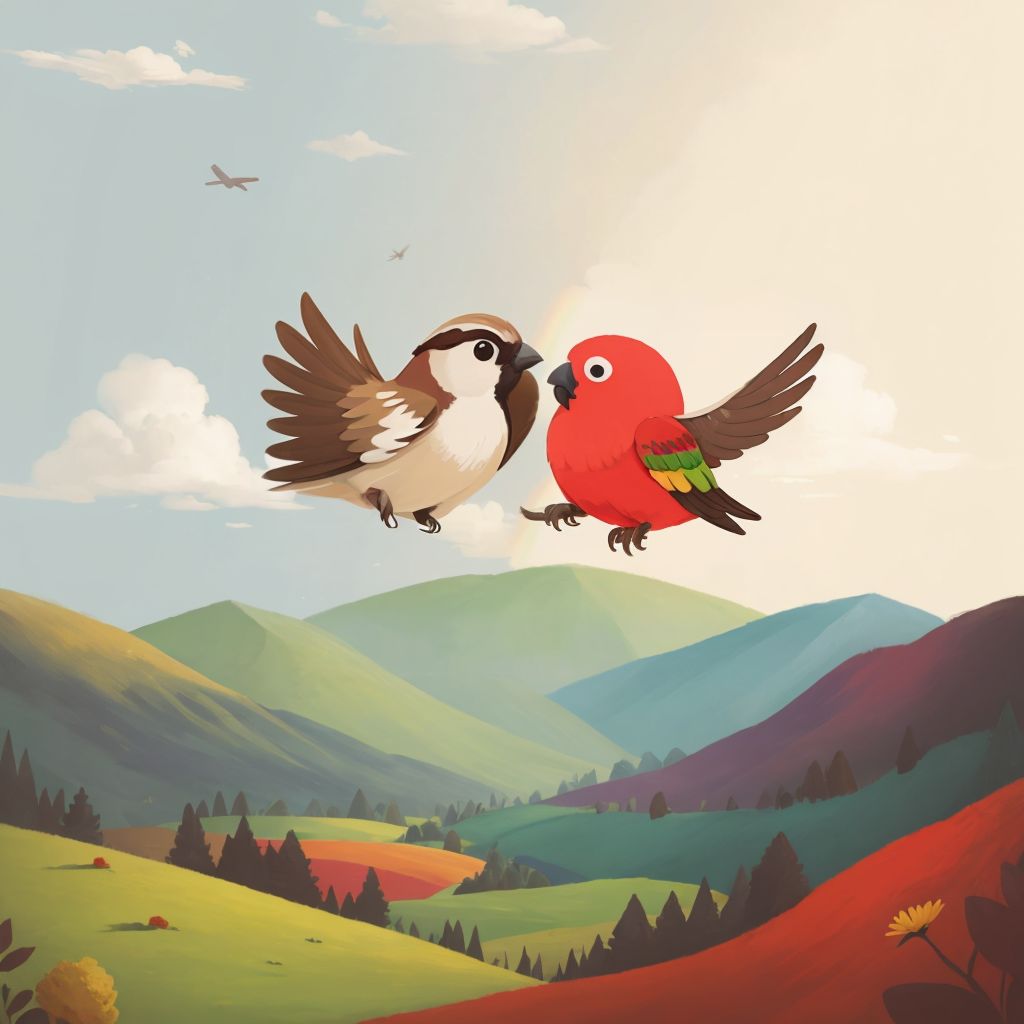
Following the story of Maya a Eurasian tree sparrow, and Pablo a parrot, In Rainbow Land, the skies are bright, with colors that bring delight. Up in the sky, Maya and Pablo spread their wings to fly. Maya is a bird who is small, with a voice so sweet; she is a cheerful friend to all. Pablo is bold, with colorful feathers in sight, hiding his shyness with all his might. They love the breeze swaying them with glee and keeping them flying free. But one day, a dark cloud comes and roars with a storm. “I am so bored; I will take your rainbow’s glow.” The colors vanish, and no more light shines. “Only if you can ease my boredom then I will bring back your rainbow.” So Maya sings softly; her voice takes flight, hoping her tune will bring back the light. “Come back, dear rainbow!” she chirps with care. The cloud cannot hear her, and no colors return—the sky stays gray. Then she asks for Pablo’s help. “Your voice is strong—please sing with me!” Pablo hesitates but still tries, “Oh, lovely cloud, please give us back our light.” Maya chirps kindly, “Together we’re strong! Your voice will help my little song.” Pablo sings, “I am your friend, of course I will help you get our rainbow, dear.” The dark cloud smiles and also sings, “Now I am full of joy, your rainbow here it goes.” Together, they make the rainbow glow! Its colors return—red, orange, yellow, green, blue, indigo, and violet. Rainbow Land rejoices as the light breaks through. Maya and Pablo sing happily because their teamwork brings back harmony. “By helping each other,” says Maya with cheer. Pablo replies, “We can overcome any challenge or fear!” The animals dance beneath the sky’s hue; the rainbow is back—its colors anew! Maya and Pablo learn today that friendship and courage light the way! The End
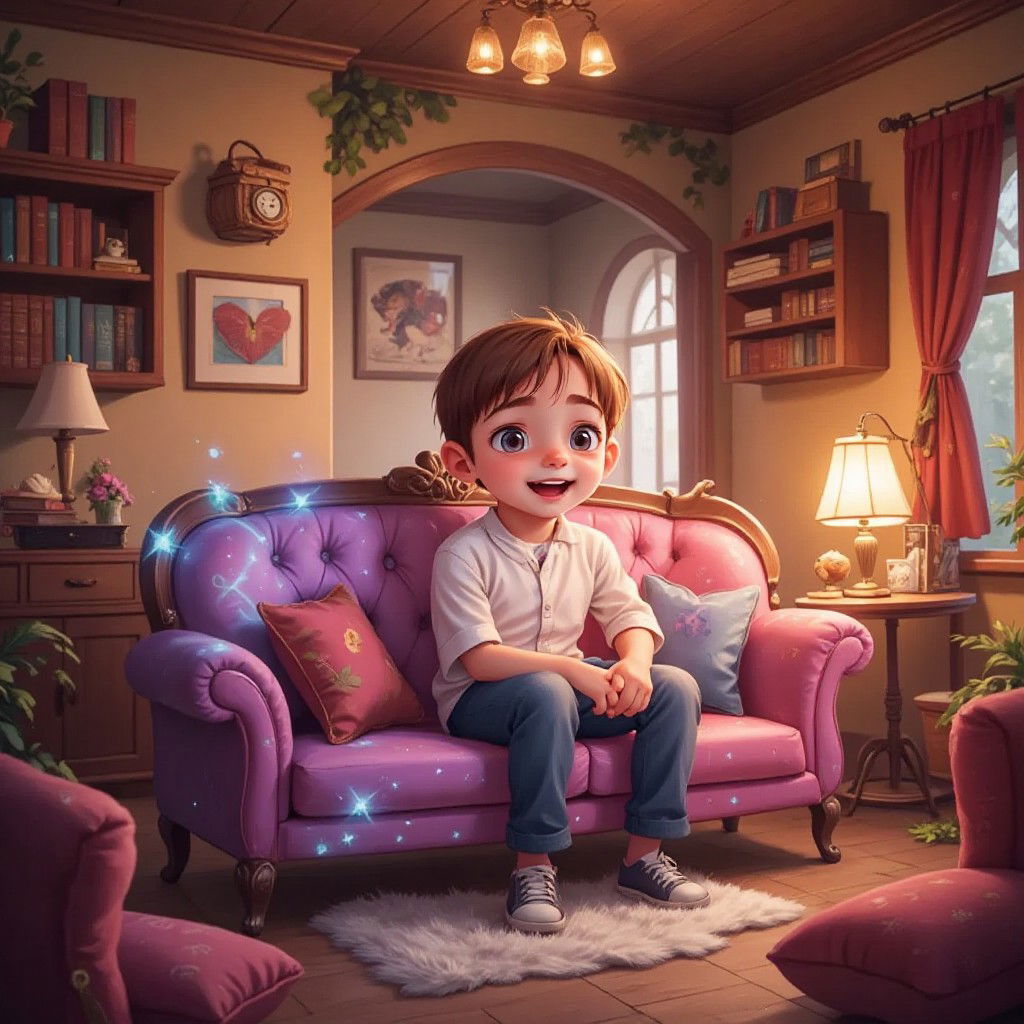
Description of the Tale "The Tale of Andrey's Magic Couch" In "The Tale of Andrey's Magic Couch," we dive into a world of children's fantasy and adventure. The main character is a curious boy named Andrey, who yearns for discoveries and magic. Every evening, after school, he comfortably settles on his little couch and dreams of traveling to magical lands. The plot takes an unexpected turn when the couch begins to move and talk. It turns out to be magical and offers Andrey incredible journeys to places he has always dreamed of. Soon, they find themselves in a magical meadow where Andrey meets a sad little elephant who has lost his friend. The united trio—Andrey, the magic couch, and the little elephant—embark on an exciting adventure filled with mysteries and friendship. The path to rescuing the elephant's friend leads them through a forest inhabited by a funny Fairy and to a lake guarded by a wise turtle. Andrey's ability to solve riddles and his kindness become key elements in their journey. The tale is filled with vivid imagery, wonderful creatures, and valuable lessons about friendship, courage, and loyalty. By the end of the story, Andrey not only finds a new friend but also realizes that the adventures have made him a true hero. He understands that the magic couch has become his faithful companion, and that every evening with it is a new wondrous discovery. "The Tale of Andrey's Magic Couch" is a story that inspires children to dream and embark on adventures, awakening in them kindness and a desire to help others. This tale is a perfect example of how magic can cultivate wit and imagination, making us better.
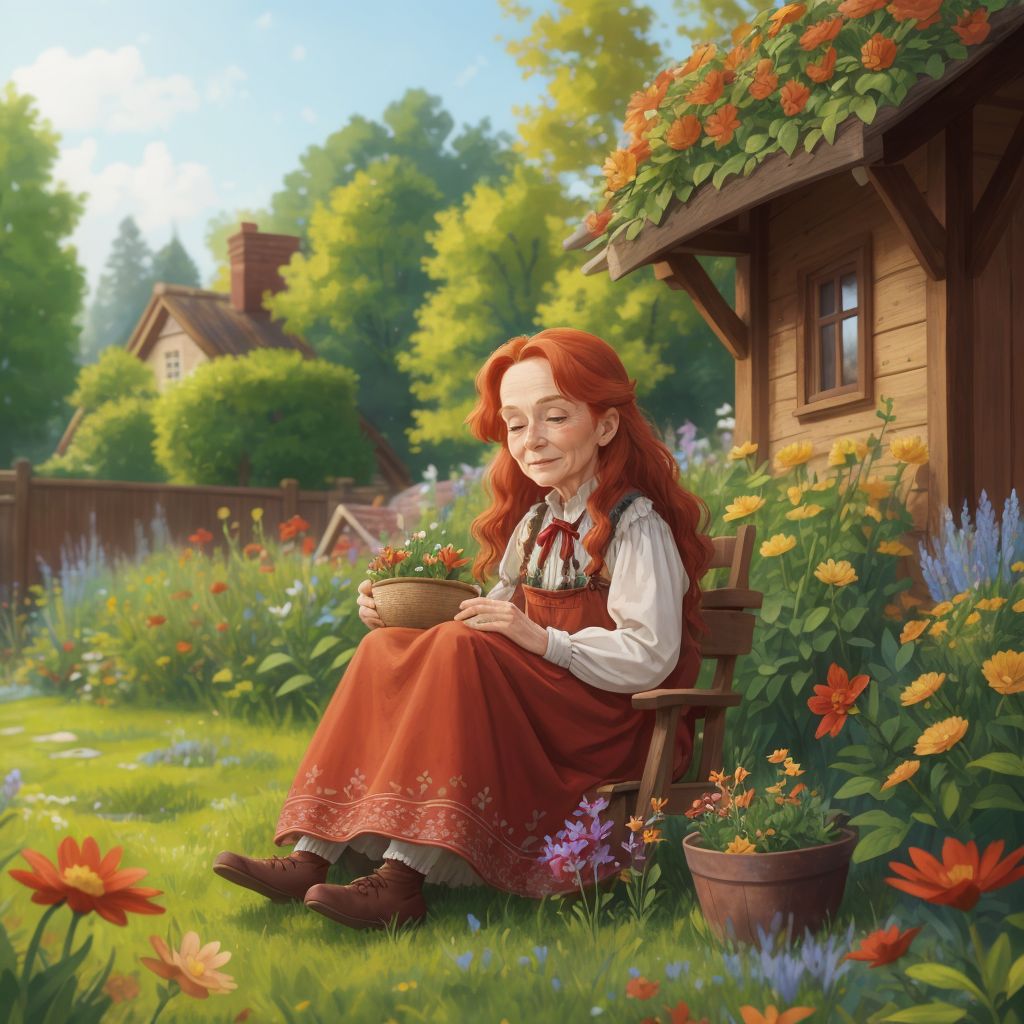
1. lived with her parents in a small cottage, 2. surrounded by a nearby forest, 3. many valleys and green pastures. 4. large vegetable and flower garden in the backyard of their home. 5. cows and horses that lived on the green pasture close by. 6. Esmarelda loved to play in the backyard. 7. Her favorite game was playing make-believe with the plants from her mother’s garden. 8. Esmarelda would imagine that she was the mom and the flowers were her children. 9. she would pretend to prepare a fabulous dinner along with her special lemonade, and they would all sit down together and eat as one big happy family. 10. nap time always came after a good meal, 11. Esmarelda would tell stories to the garden flowers.